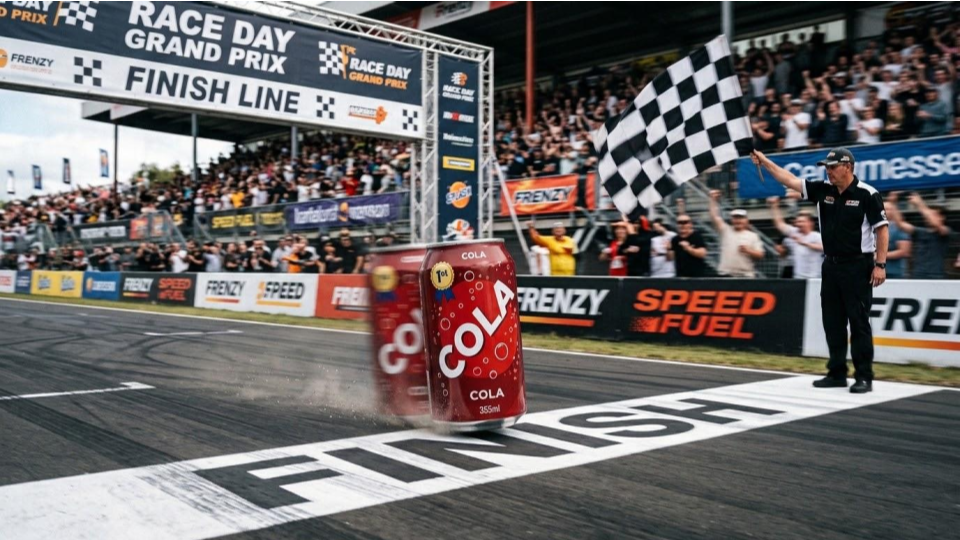
Public correction destroys credibility and creates unnecessary friction. While driver compliance matters for sponsorship deals, confronting top performers publicly on live television is a massive leadership failure. Praise in public; correct in private.
The Incident
Following a recent Formula 1 race in Spain, driver Lando Norris of the McLaren team was in the televised cooldown room enjoying a Coca-Cola. The issue? Formula 1’s official soft drink sponsor is Pepsi, and branded competitor drinks are prohibited in the cooldown room.
An off-camera official called out Norris on air for drinking a Coke product. Norris’s response was immediate and unapologetic: "I just did a race, so I'm allowed to drink what I would like. Thank you very much."
The Breakdown: Two Leadership Mistakes
Was Norris technically violating a sponsorship agreement? Yes. But the official committed two far greater operational sins:
1. Violating the Feedback Rule: Correcting someone publicly triggers defensive behavior every single time. A private debrief after the broadcast would have resolved the issue professionally without creating an international spectacle.
2. Misunderstanding Strategic Priority: Norris is a key talent driving the entire enterprise's value. Bureaucratic enforcement that publicly antagonizes your top performers signals poor judgment and misaligned priorities.
It would be appropriate for McLaren's leadership to address this official's behavior with Formula One while addressing these concerns with their driver.
Key Takeaway for Leaders
Enforce standards, but respect people involved in the incident. When you publicly criticize high performers over minor infractions, you risk losing respect and authority. Praise in public. Correct in private. Be courteous, be professional, and be effective.

Responses